> For the complete documentation index, see [llms.txt](https://docs.odyssey.stream/llms.txt). Markdown versions of documentation pages are available by appending `.md` to page URLs; this page is available as [Markdown](https://docs.odyssey.stream/realtime-configurator/level-and-object-configurator/object-configurator.md).
# Object configurator
**Object Configurations** are a way for you to add configuration data *per Imported Actor.* The defined configuration UI will show up in your actor menu after being placed.
{% hint style="warning" %}
Make sure you have set up your **Object Library** and at least one **Imported Actor** by following the instructions in [Actor importer](/realtime-configurator/actor-importer.md).
{% endhint %}
## Create a configurator dataset
1. In your project's content browser, right click and go to **Odyssey -> Odyssey Configurator Dataset.** Name it after your Imported Actor.
2. Open your `Odyssey Configurator Objects Library` asset (created in [Actor importer](/realtime-configurator/actor-importer.md)).
3. In the row that holds your object, under **Configurator Dataset ->** Add your newly created configurator dataset.
{% hint style="info" %}
You will need to follow these steps for every Imported Actor you want to attach configuration properties to.
{% endhint %}
## Create a configuration property
1. Open your Configurator Dataset asset.
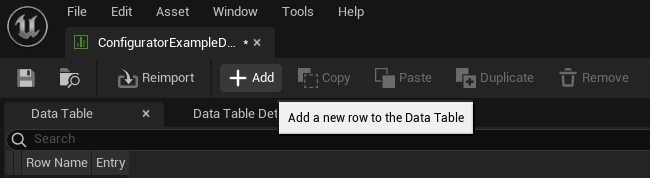
2. Add a Configurator key to the Dataset using the Add button:
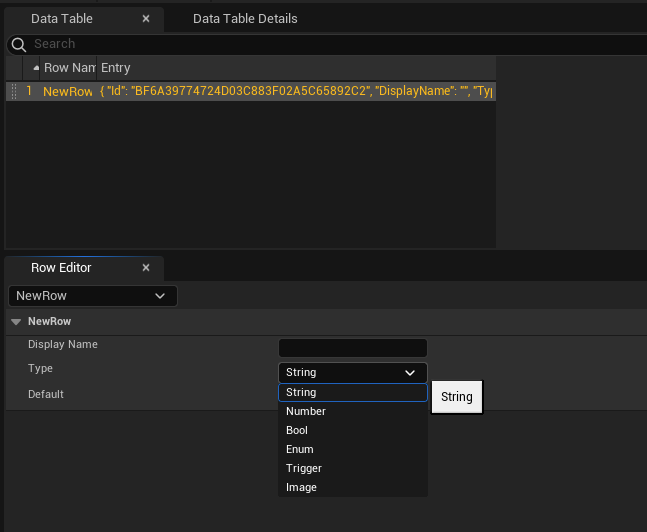
3. Fill your configuration data in your newly created row. Each configuration needs a **Display Name, Type,** and a **Default Value.**
## Add configuration logic
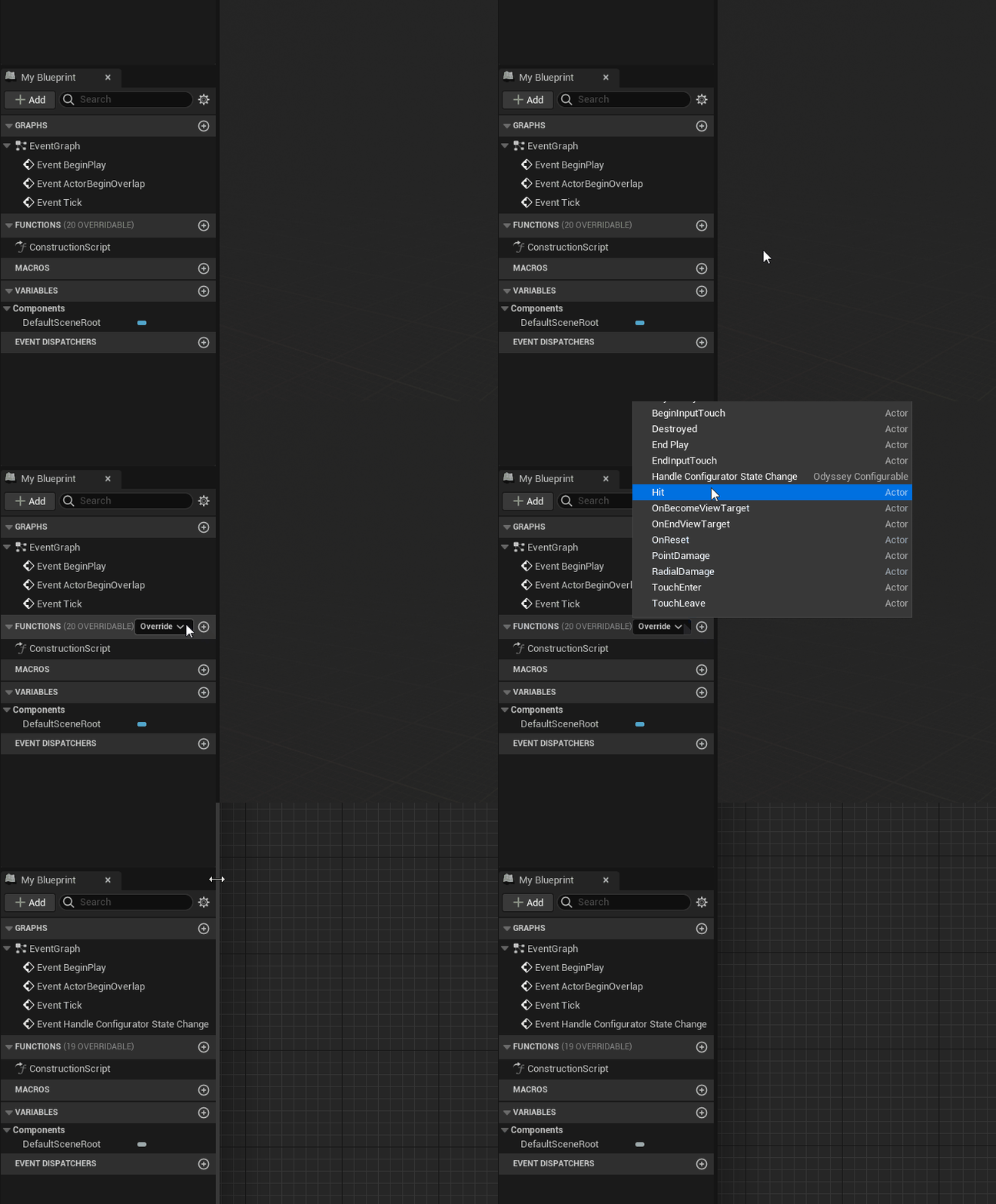
1. Open your **Imported Actor** blueprint (type `OdysseyConfigurable`).
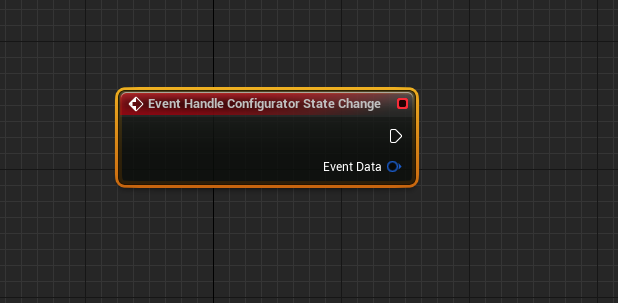
2. Override the `Handle Configuration State Change` function
3. Connect your custom configuration logic to the exec pin of the newly created event.
4. From this point you can follow the guide [Configurator blueprint API](/realtime-configurator/level-and-object-configurator/configurator-blueprint-api.md) to learn how to set up events and hooks from your configurator properties.